



The answer is not only yes, but remote work is expected to become even more advanced, structured, and globally integrated. Companies are shifting toward hybrid work models where employees split time between home, co-working spaces, and occasional office visits.
Rise of Remote Work Culture
Over the past few years, remote work has become a global trend. Businesses realized that productivity does not depend on location but on efficiency and digital connectivity. As a result, millions of employees now work from home or travel while working.
After 2026, remote jobs will likely expand into more industries such as IT, marketing, education, finance, and even healthcare consulting. This shift will create opportunities for people to work from anywhere in the world.
Technology Driving the Future
Technologies like AI tools, cloud computing, 5G networks, and virtual collaboration platforms are making remote work smoother than ever. Meetings can now happen in virtual environments, and teams can collaborate in real-time from different countries.
Automation will handle repetitive tasks, allowing professionals to focus on creativity, strategy, and decision-making. This transformation will redefine job roles across industries.
Digital Nomads and Travel Freedom
One of the biggest trends connected to remote work is the rise of digital nomads. These are professionals who travel while working online. They need flexible transport solutions to move between cities comfortably.
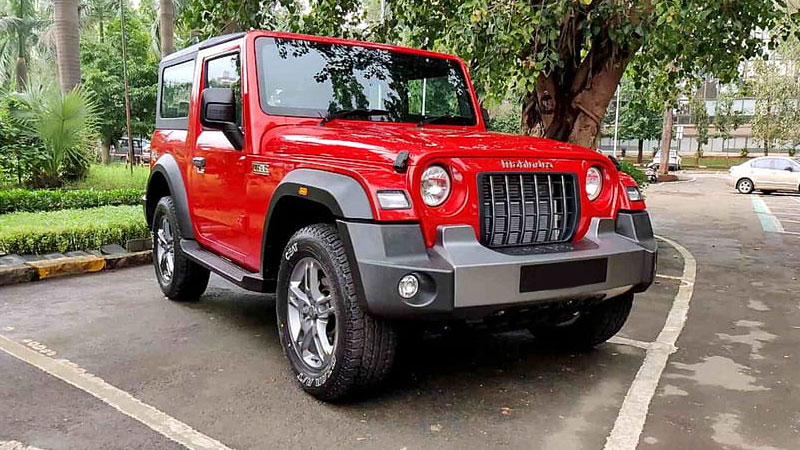
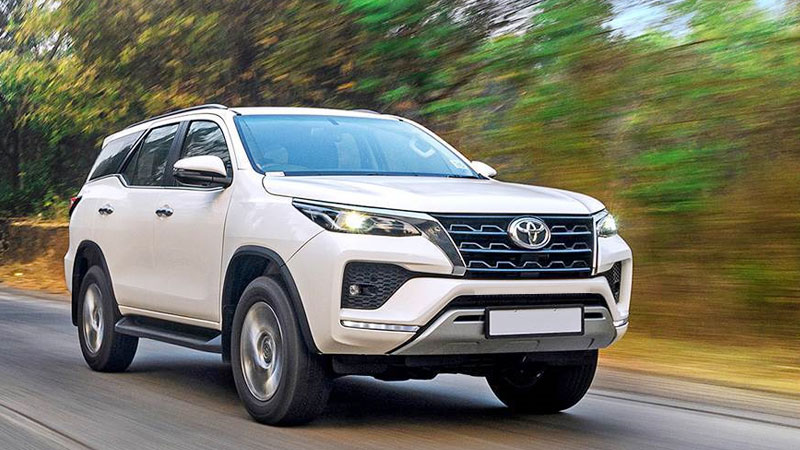
This is where modern travel services like self-drive car rentals come into the picture. Companies such as Delhi Wedding Car are offering flexible mobility solutions that support professionals who travel frequently
Role of Self Drive Car Services in Modern Work Life
In a remote or hybrid work environment, mobility becomes a key factor. Professionals often need to travel for meetings, events, or short-term relocations. Instead of relying on fixed transport schedules, many now prefer self-drive car rental services.
Delhi Wedding Car provides convenient travel options that allow users to enjoy independence, privacy, and comfort while traveling for work or personal purposes.
Whether it is a business trip, client meeting, or weekend getaway, having access to a self-drive car improves flexibility and time management significantly.
Hybrid Work Model: The New Standard
After 2026, the hybrid work model will likely become the standard across most industries. Employees will not be tied to a single location. Instead, they will balance office collaboration with remote productivity.
This flexibility also increases the demand for travel-friendly services. People will move between cities more frequently, making transport solutions like Delhi Wedding Car self-drive rentals an important part of modern work life.
Skills Required for Future Jobs
To succeed in the future job market, professionals will need to develop new skills such as:
- Digital communication and collaboration tools
- AI and automation awareness
- Time management in remote environments
- Adaptability to hybrid work culture
- Problem-solving and creative thinking
These skills will ensure long-term career growth in a rapidly changing work environment.
Impact on Lifestyle and Travel
The future of work is not just about jobs—it is also about lifestyle. Remote work allows people to design their own schedules, explore new places, and maintain a better work-life balance.
As travel becomes more integrated into work life, services like self-drive car rentals from Delhi Wedding Car play an important role in supporting this freedom.